Core Beliefs
The following are the core beliefs of Westover Baptist Church based on the foundational truths taught in the bible. All of our teaching and ministry is rooted in and flows out of these biblical doctrines.
The Bible
We teach the Bible is God’s written revelation of Himself to man, and that all parts of Scripture are equally inspired (1 Corinthians 2:7-14; 2 Peter 1:20-21). The Bible is inspired in every word (2 Timothy 3:16), and is inerrant in the original documents, infallible (Psalm 19:7-8), and God-breathed (2 Timothy 3:16). The Holy Spirit so superintended the human authors that through their individual personalities and different styles of writing, they composed and recorded the very words of God to man without error in the whole or in the part (2 Peter 1:20-21; Matthew 5:18; 2 Timothy 3:16). The Word of God is absolutely authoritative and complete, without any further need for new revelation (Revelation 22:18-19), and it is the only infallible rule of faith and practice (Matthew 5:18; 24:35; John 10:35; 17:17; 1 Corinthians 2:13; 2 Timothy 3:15-17; Hebrews 4:12; 2 Peter 1:20-21). The Word of God is to be interpreted using a literal, grammatical-historical method of interpretation (which affirms the belief in a literal six day creation in Genesis), and that there is only one true interpretation of any given passage although there may be many applications.
Sufficiency of Scripture – Every word of God is profitable and sufficient to accomplish God’s purposes in our lives (2 Timothy 4:16-17; Psalm 19:7-14). Because God expects our lives to be Bible-driven we look to Scripture as our authority for life and godliness.
The Trinity
We teach that there is one living and true God (Deuteronomy 6:4; 1 Corinthians 8:4), and that He is equal and perfect in all of His attributes, His essence, and His eternal existence in three Persons -- Father, Son, and Holy Spirit (Matthew 3:16-17; 28:19). God is infinite, all-knowing, unchanging, sovereign, holy, all-powerful, and is to be worshipped.
God the Father
We teach that God the Father is the first Person of the Trinity, the Creator of all things (Genesis 1:1-31), holy, just, has decreed for His own glory all things that come to pass (Ephesians 1:11), and is absolutely sovereign. He is the Father of all creation including mankind (Ephesians 4:6), but is only spiritual Father to believers (Romans 8:14). He is not the author of sin (Habakkuk 1:13), and saves from sin all who come to Him through faith in Jesus Christ as He has so ordained (Acts 13:48).
Jesus Christ
We teach the virgin birth (Matthew 1:18-25), and that Jesus Christ was God incarnate (John 1:1,14). Jesus paid the price of man’s sin through His blood atonement (1 Peter 1:18-19), and died for our sins, was buried, and rose again the third day according to the Scriptures (1 Corinthians 15:3-4). On the basis of the finished work of Christ on the cross through His death, the believing sinner is freed from the penalty, power, and punishment of sin (Romans 3:21-28). We also teach the literal, physical resurrection of Jesus Christ (Matthew 28:6), and His return (Acts 1:9-11). Jesus is the Mediator between God and Man (1 Timothy 2:5), and the Head of His Body the church (Ephesians 1:22). Jesus is the coming King, and the final Judge of all who live (Isaiah 9:6; Acts 17:30-31; Revelation 20).
The Holy Spirit
We teach that the Holy Spirit is the third Person of the Trinity, and possesses all the divine attributes as does the Father and the Son. He is eternal, and is coequal with the Father and the Son (Matthew 28:19; 2 Corinthians 13:14). He was sovereignly active in creation (Genesis 1:2), the incarnation (Matthew 1:18), the writing of Scripture (2 Peter 1:20-21), and is involved in the work of salvation (John 3:5-7). The Holy Spirit began His work in this age at Pentecost where He came as Jesus had promised (John 14:16-17; 15:26). Every believer is baptized into the Body of Christ by the Holy Spirit at the moment of salvation (1 Corinthians 12:13), and is never commanded to seek for it again or for it to be repeated. Every believer is commanded to pursue the filling of the Holy Spirit, which is to live under His power and authority and bear spiritual fruit (Ephesians 5:18-21; Galatians 5:22-23). The Holy Spirit has come to convict the world of sin, righteousness, and judgment (John 16:7-11). He indwells, sanctifies, instructs, and seals the believer unto the day of redemption (Ephesians 1:13). The Holy Spirit administers spiritual gifts to the church (1 Corinthians 12:4-11), and every believer is to exercise his gift for the building up of the body of Christ (1 Peter 4:10-11; 1 Corinthians 14:12). The Holy Spirit glorifies neither Himself nor His gifts by ostentatious displays, but He works to glorify Christ by His redeeming work (John 16:7-11, 13-14; Acts 1:8; 1 Corinthians 12:4-11). The gifts of apostleship, speaking in tongues and the working of sign miracles were meant for the apostolic age. The purpose of the sign gifts were to authenticate the message and ministry of the apostles and prophets as revealers of divine truth, which God used to lay the foundation of the church that did not yet have the full revelation of God's Word (1 Corinthians 12:4-11; 13:8-10; 2 Corinthians 12:12; Ephesians 2:20; 3:5; 4:7-12; Hebrews 2:1-4).
Man
We teach that man was created by God, and did not evolve. Man was originally created in God’s image and likeness free from sin (Genesis 1:26-27), and was created to glorify God and enjoy Him forever (Isaiah 43:7; Colossians 1:16; Revelation 4:11). But because of Adam’s sin, sin has been transmitted to all men (Romans 5:10-12). Thus, all men are sinners by nature, by choice, and by divine declaration (Psalm 14:1-3; Romans 3:9-12; 5:12). As a result of man’s sin, he is separated from God unable to do anything to save himself. All men are born spiritually dead (Ephesians 2:1-3), and are in need of salvation from their sin (Romans 3:10-12).
Salvation
We teach that the salvation of man is by God’s grace alone through faith alone in Jesus Christ alone (Ephesians 2:8-9). There are none who are righteous and none who seek after God (Romans 3:10-12). Man is incapable of doing anything to save himself from the wrath of God that his sin rightly deserves (Ephesians 2:1-5; Romans 3:10-18, 23). God by His grace took the initiative to rescue man from his fallen condition in eternity past by means of divine election and continues this work today by means of the Holy Spirit drawing sinners to Himself through the preaching of the gospel (Deuteronomy 7:6-8; John 6:37-40,44; Acts 13:48; Ephesians 1:4; Romans 8:28-30; 1 Thessalonians 1:4-5). God regenerates and justifies sinners by His grace (Acts 2:38; Romans 3:24, 28; 8:33; 10:9-10, 13; Galatians 2:16; Ephesians 2:8-9), baptizes them into the Body of Christ (1 Corinthians 12:13), and seals them unto the day of redemption (Ephesians 4:30). Man is entirely responsible before God for his sin, and must personally respond to the message of the gospel in repentance and faith (Mark 1:15; Luke 24:47; John 3:36; Acts 2:38). Once a person is saved, he is always saved (Ephesians 1:14; 4:30; 1 John 5:13). All believers are to live a life of obedience separated from sin, and separated unto Jesus Christ (2 Corinthians 7:14-7:1; Hebrews 12:1-2). Believers are to walk in the Spirit (Galatians 5:16-18).
Angels
We teach that angels are beings created by God, but are not to be worshipped. They are a higher order of creation than man, but are created to serve and worship God (Hebrews 1:6-7, 14). God always uses the holy angels to assist in accomplishing His will and glorifying Himself. Satan is a created angel and the author of sin. He rebelled against God and took many angels with him in his fall (Isaiah 14:12-17; Ezekiel 28:11-19). Satan is the prince of this world who has already been defeated through the death and resurrection of Christ. He is the enemy of God and man, and will be punished eternally when he is thrown into the Lake of Fire (Revelation 20:10).
The Church
We teach that the church consist of all those who are regenerate. The church is the Body of Christ (1 Corinthians 12:12-14), the Bride of Christ (Ephesians 5:23-32; Revelation 19:7-8), and Christ is the Head (Ephesians 1:22). The church began on the Day of Pentecost, and will be built by Jesus Christ (Acts 2; Matthew 16:18). The church is distinct from Israel (1 Corinthians 10:32), a mystery not revealed until this age (Ephesians 3:1-6). The church, as the Body of Christ, is made up of many members into one spiritual Body with varying gifts (1 Corinthians 11:18-20; 12:4-12). The purpose of the church is to glorify God (Ephesians 3:21), and is to build itself up in the faith (Ephesians 4:13-16). All believers are to make disciples and preach the gospel (Matthew 28:18-20; Mark 16:15; Acts 1:8), and are to assemble for the purpose of edification and equipping (Hebrews 10:25; Ephesians 4:11-16). The leadership of the local church is to consist of men who meet the qualifications of a pastor/elder given in 1 Timothy chapter 3:1-7, and are to be above reproach. Deacons are those who are to lead in serving in the church and are to meet the qualifications of deacon as described in 1 Timothy 3:8-13, being above reproach. However, all believers are called to the work of service (1 Corinthians 15:58; Ephesians 4:12).
Gender and Sexuality
We teach that God created man in His own image as either male or female (Genesis 1:26-27). Marriage is only between one man and one woman and is intended by God to reflect Christ's relationship with His Church (Ephesians 5:21-33). Any form of sexual immorality outside of marriage between a man and a woman violates God's design (including adultery, fornication, homosexual behavior, bisexual conduct, bestiality, incest, or use of pornography), is sinful and offensive to God (Matthew 15:18-20; 1 Corinthians 6:9-10). Any person caught in sin can be redeemed and restored by the grace of God to a life that brings the blessing and joy that God has designed for mankind to know and experience (Acts 3:19-21; Romans 10:9-10; 1 Corinthians 6:9-11). We teach that every person is to be shown respect, kindness, love, compassion, and dignity (Mark 12:28-31; Luke 6:31). Any hateful, harassing behavior, or attitude that does not reflect the love of Christ is to be repudiated and not tolerated from the people of God.
The Ordinances
We teach that baptism is to follow salvation, and is to be by immersion (Acts 8:36-39). Baptism stands as a symbol of a believer’s faith in the crucified, buried, and risen Savior Jesus Christ. Thus, in baptism believers show their union and identification with Him (Romans 6:1-11). The Lord’s Supper stands as a commemoration and proclamation of Christ’s death and payment for sin, and is only representative of the flesh and blood of Christ. The believer is to examine himself before partaking in communion, lest he take it unworthily (1 Corinthians 11:28-32).
The Last Things
We teach the personal and imminent return of our Lord Jesus Christ to receive His church before the seven-year tribulation (John 14:1-3; 1 Corinthians 15:51-53; 1 Thessalonians 4:15-5:11; Titus 2:13; Revelation 3:10). Following the time of tribulation the Lord Jesus will return to establish His kingdom and fulfill the promises God made to Israel (Acts 1:6-11; Romans 11:1-29; Revelation 20:4-6, 11-15). We also teach the resurrection of the body, the final judgment, the eternal felicity of the righteous and the endless suffering of the wicked (Matthew 16:27; I Corinthians 4:5; 2 Thessalonians 1:7-10; 2 Timothy 4:1).
Our Distinctives
- Expository Preaching – We are committed to preaching the Word of God verse by verse to unpack God’s truths which transform our lives into greater Christlikeness (Ezra 7:10).
- Pastor/Elder Led – God has determined that a plurality of spiritually qualified men are to shepherd and lead His church to know and love Christ, and to admonish and protect the church from spiritual dangers (1 Timothy 3:1-7; Titus 1:5-9; 1 Peter 5:1-5; Hebrews 13:7,17)
- Missions-Minded – Missions is big at Westover! Because our God-given mission is to make disciples of all nations, our gospel focus is not just Danville. Our passion is to preach the gospel to every creature by training up and sending out those who will declare His glory among the nations (Psalm 96:3; Mark 16:15).
- Every Member a Disciple – The gospel is to be central in our lives and ministry, and not just something we hear prior to salvation to lead us to Christ. Our objective is for every member to be discipled and be discipling. This is what it means to fulfill the great commission (Matthew 28:18-20; 2 Timothy 2:2).
- Christian Education – Westover Christian Academy is a ministry of our church to provide a Christian alternative for parents who want to work in partnership with the church and the school to disciple their children (Deuteronomy 6:4-9; Proverbs 22:6).
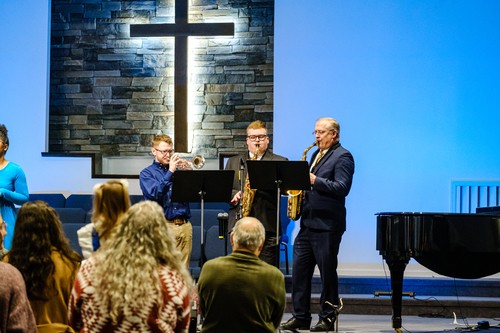
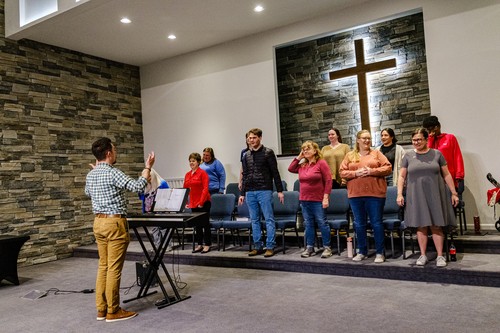
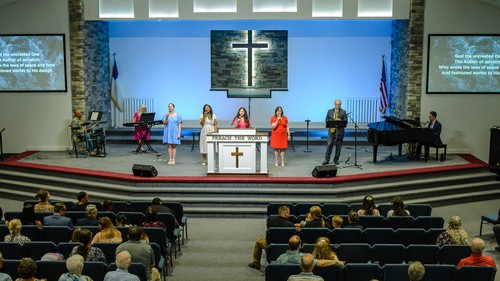
Philosophy of Music
"We aim to glorify God through Scripture-filled, God-centered, Christ-exalting music performed with reverence and excellence in a variety of styles and genres."
"We aim to glorify God..."
The ultimate purpose and goal of the church is to bring glory to God (Eph. 3:10, 21). Every aspect of ministry, including music, must serve this ultimate purpose.
"...through Scripture-filled..."
Our musical worship must be filled with Scripture. While the primary focus of our worship is on God, our music has a secondary function. According to Colossians 3:16, music carries an instructional purpose in the church service, “teaching and admonishing one another.” When the songs we sing are filled with Scripture, the properties of melody, rhyme, and meter assist us in burying the truths of Scripture deep within our memories and hearts. It is a primary way we “let the word of Christ dwell in [us] richly.”
"...God-centered..."
Our musical worship must be God-centered. We are commanded to sing “to the Lord” (Eph. 5:19; Col. 3:16). The focus of Biblical worship throughout Scripture is not on believers receiving anything (like a positive experience or special blessing); rather the focus is on giving to God (sacrifices, thanks, praise, our lives). The design of our corporate music should be to please God, not man (I Thess. 2:4).
"...Christ-Exalting music..."
Our musical worship must be distinctly Christian. Not just our music, but everything we do, in our words or our actions, should be done in the name of the Lord Jesus (Col. 3:17). While this does not mean every song we sing needs to mention Christ, it does mean that our musical service should be distinctly Christian, clearly and consistently proclaiming who Christ is and what He has done.
"...performed with reverence..."
Our musical worship must be reverent. This goes against the common church culture trends where casualness is prioritized. The Bible commands us to “tremble” in the presence of God (Ps. 114:7), to serve the Lord in “reverence and godly fear” (Ps. 2:11; Heb. 12:28), and specifically to worship Him in “fear” (Rev. 14:7). Our goal in worship should be reverence, not relevance.
"...and excellence..."
Our musical worship must be excellent. Excellence looks different for each individual, but it involves giving the best that we have. In Old Testament worship, sacrifices were to be “firstfruits” (Deut. 18:4), and “without defect or blemish” (Deut. 15:21). Malachi 1:6-14 gives a strong condemnation of priests who gave unacceptable sacrifices out of laziness, claiming Israel despised and profaned God’s name through their second-rate sacrifices. Acceptable worship requires our best.
"...in a variety of styles."
Colossians 3:16 and its sister passage Ephesians 5:18-21 instruct us to sing “psalms, hymns and spiritual songs.” While the distinctions between these three terms are not precise, it shows us that there is to be diversity in the musical worship of the church. We should not sing songs from one time period or genre to the exclusion of others. Each time period of music has a unique and needed perspective on the Christian experience.